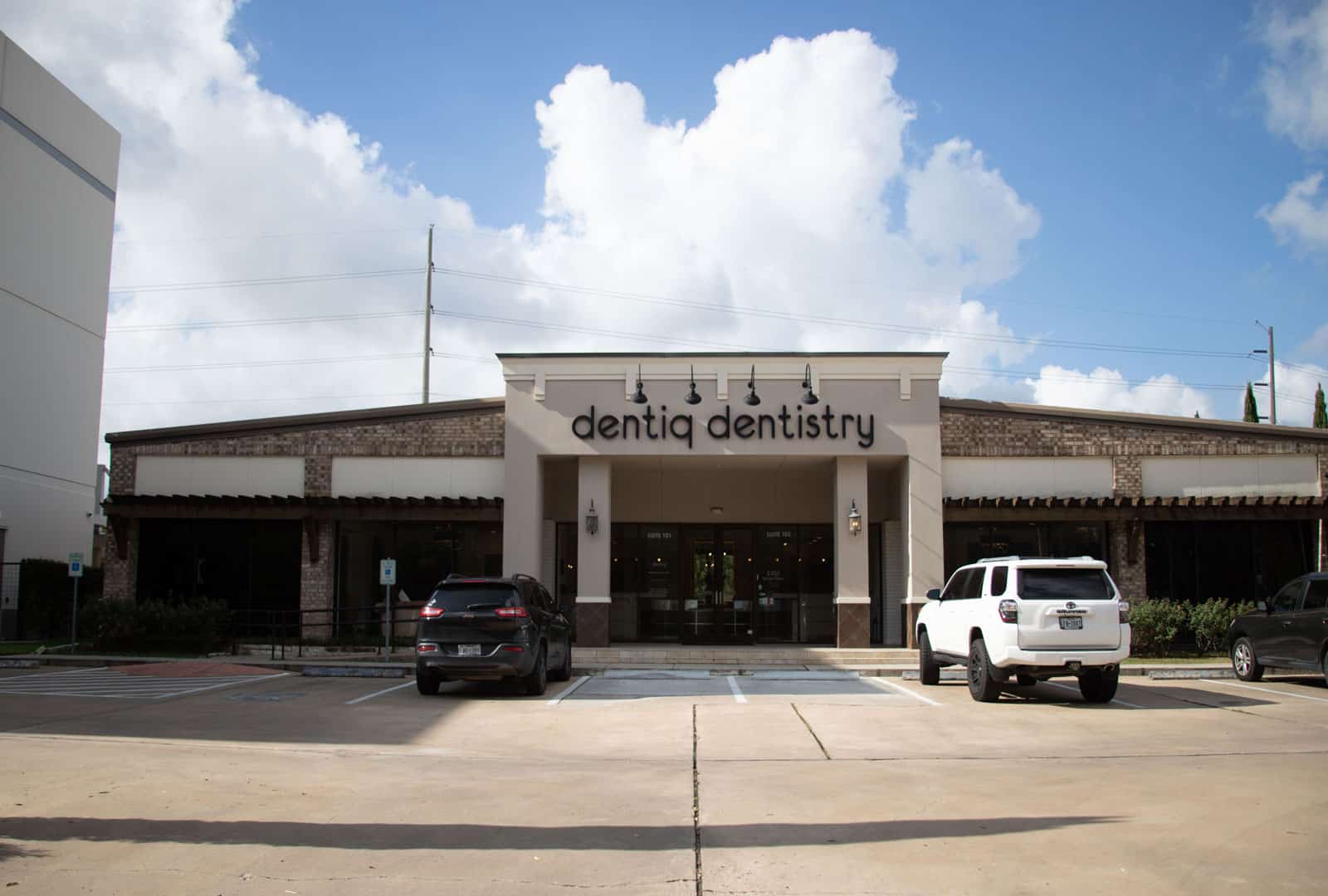
June 8, 2026 · Dentiq Dentistry
Blog - Dental Care Tips & Articles
This page collects Dentiq Dentistry’s most recent articles on dental health, organized by month so you can find what’s relevant to you quickly. The posts below cover a range of topics — from making the most of your dental insurance before it expires, to bone grafting considerations for older adults, to everyday questions like what to eat when a tooth is hurting. If you’re looking for a specific subject, the summaries below will help you decide where to start.
What These Articles Cover and Why They Were Written
Dental information online tends to fall into two categories: overly simplified (“brush twice a day!”) or so clinical it’s hard to apply to a real situation. The goal with these posts is something in between — practical explanations written for patients in Houston who are trying to make actual decisions about their care.
The topics here were chosen based on questions that come up repeatedly in dental offices: How do I use my insurance before the year ends? Is bone grafting safe for someone in their seventies? Why do my dentures hurt? What can I eat when I have a toothache? These aren’t obscure questions. They’re things people search for at 10 p.m. when they can’t sleep because something is bothering them.
October 2025 — Your Dental Office is Your Partner: Navigating the “Use-It-Lose-It” System
Most dental insurance plans run on a calendar year, which means any unused annual maximum — typically between $1,000 and $2,000 — disappears on December 31. It doesn’t roll over, and you don’t get a refund. This article explains how to audit your remaining benefits before the year ends and which types of appointments (cleanings, fillings, crowns started before year-end) are worth scheduling in the final quarter.
It also walks through how to talk to your dental office about coordinating treatment timing. Front desk and billing staff deal with insurance schedules constantly and can often flag whether a procedure makes more financial sense this year or next, depending on where you are in your deductible. The article is practical and specific — if you have dental coverage through an employer plan, it’s worth reading before November.
September 2025 — Bone Grafting for Seniors: Is It Safe and Effective?
This is one of the more detailed clinical pieces on the blog, written to address a concern that comes up often among older patients considering dental implants. The short answer the article gives: bone grafting is generally safe for healthy seniors, but the evaluation process is more involved than it is for younger patients.
Age alone is not a disqualifying factor for bone grafts. What matters more is overall health status — things like whether the patient is on blood thinners, bisphosphonate medications (often prescribed for osteoporosis), or immunosuppressants, all of which affect how bone heals. The article covers what a Houston dentist typically reviews before recommending a graft for a senior patient, including medical history, current medications, and bone density at the graft site.
It also addresses the timeline honestly. Bone grafts take longer to integrate in older adults — sometimes six months or more before an implant can be placed — and the article doesn’t minimize that. For someone in their late sixties or seventies weighing whether the process is worth it, this piece gives a realistic picture.
August 2025 — A Guide to Senior Dental Health: Dry Mouth, Gum Disease, and Dentures
Three of the most common dental issues that affect adults over 65 are covered in this guide: dry mouth (xerostomia), periodontal disease, and denture fit problems. Each section explains what causes the condition, why it tends to worsen with age, and what the practical management options look like.
Dry mouth is particularly important to understand because it’s often a side effect of medications rather than a primary dental problem. Many common drugs — antihistamines, antidepressants, blood pressure medications, diuretics — reduce saliva flow, and saliva is one of the mouth’s primary defenses against decay. Patients who are taking multiple medications and noticing increased cavities or a dry, sticky feeling in their mouth will find the explanation in this article useful.
The gum disease section covers why pocket depths tend to increase with age even in patients who have been diligent about brushing, and what the difference is between gingivitis (reversible) and periodontitis (not fully reversible, but manageable). The denture section addresses the most common fit complaints and explains why dentures that fit well at age 65 often need adjustment by age 70 — the jaw bone continues to change even after teeth are gone.
July and June 2025 — Supporting Seniors, Implant Questions, and Everyday Dental Care
Several posts from the summer months round out the senior care theme while also addressing more general questions.
Supporting Houston’s Seniors (July) looks at the practical side of dental care for older adults who may have mobility limitations, transportation challenges, or cognitive changes that make dental visits more complicated. It includes a brief overview of what accommodations dental offices can offer and how family members can help coordinate care.
What Happens If I Have a Bone Graft But Not an Implant? (June) answers a question patients sometimes have after a tooth extraction: what if the graft was placed to preserve the socket, but circumstances change and the implant never happens? The article explains that a graft placed for socket preservation still provides value — it maintains bone volume and keeps options open — but that bone volume will gradually decrease over time without a load-bearing implant to stimulate it.
How Dental Cleaning Removes Plaque and Tartar (June) is a foundational piece explaining what actually happens during a professional cleaning. Plaque is a soft, sticky bacterial film that forms on teeth within hours of brushing. Tartar (calculus) is what happens when plaque mineralizes — typically within 24 to 72 hours — and hardens to the point where it can no longer be removed with a toothbrush. A hygienist uses hand scalers and ultrasonic instruments to break up and remove tartar, particularly from below the gumline where brushing can’t reach.
Common Mistakes That Make Dentures Uncomfortable (June) covers specific, fixable problems: using too much or too little adhesive, eating foods that are too hard or sticky before the gums have adapted, not cleaning the denture properly (which causes bacterial and fungal buildup), and waiting too long to return for adjustments when sore spots develop. The article emphasizes that initial discomfort is normal but persistent pain after the first few weeks is not — it usually signals a fit issue that a dentist can correct in one or two appointments.
What Foods Are Best to Eat When Experiencing Dental Pain? (June) gives a practical list: soft foods like yogurt, scrambled eggs, mashed potatoes, smoothies, and soft-cooked fish are generally safe. Cold foods can temporarily reduce inflammation. The article explains what to avoid — anything requiring significant biting force, very hot foods that dilate blood vessels near an inflamed nerve, and acidic foods that irritate exposed tissue. It also notes clearly that dietary management is a temporary measure, not a substitute for identifying and treating the underlying cause.
Frequently Asked Questions
Does unused dental insurance actually disappear at year-end? Yes, for most employer-sponsored and individual dental plans in the U.S. The annual maximum — the most the plan will pay per year — resets on January 1 and does not carry over. Patients who have paid their deductible and haven’t used much of their benefit are leaving money on the table if they don’t schedule care before December 31.
Is bone grafting safe for a 70-year-old patient? Generally yes, provided the patient is in reasonable health and the case is properly evaluated. Age is not an automatic disqualifying factor. The key variables are systemic health, current medications (particularly bisphosphonates and blood thinners), and whether adequate bone volume remains at the site. Healing takes longer in older adults, and a dentist will typically build extra time into the treatment plan.
Why do my dentures hurt even though they fit fine when I first got them? The jawbone underneath a denture gradually resorbs (shrinks) after teeth are removed. This is a normal physiological process, but it means dentures that fit well initially will eventually become loose or cause pressure sores as the underlying bone changes shape. Most patients need denture adjustments or relining every few years. Waiting too long between adjustments is the most common reason dentures become uncomfortable.
How often should seniors have dental checkups? The standard recommendation for most adults is every six months, but many older adults — particularly those with dry mouth, multiple medications, gum disease history, or dentures — benefit from more frequent visits, sometimes every three to four months. A dentist familiar with your health history can advise on the right interval for your specific situation.
What’s the difference between a regular cleaning and a deep cleaning? A regular prophylaxis cleaning removes plaque and tartar from above and just below the gumline in patients whose gum health is stable. A deep cleaning (scaling and root planing) is a therapeutic procedure for patients with periodontitis — it goes further below the gumline, into the periodontal pockets that have formed as the gums have pulled away from the teeth. Deep cleanings typically require local anesthesia and are often done in two appointments, one side of the mouth at a time.